Understanding Mirror Therapy
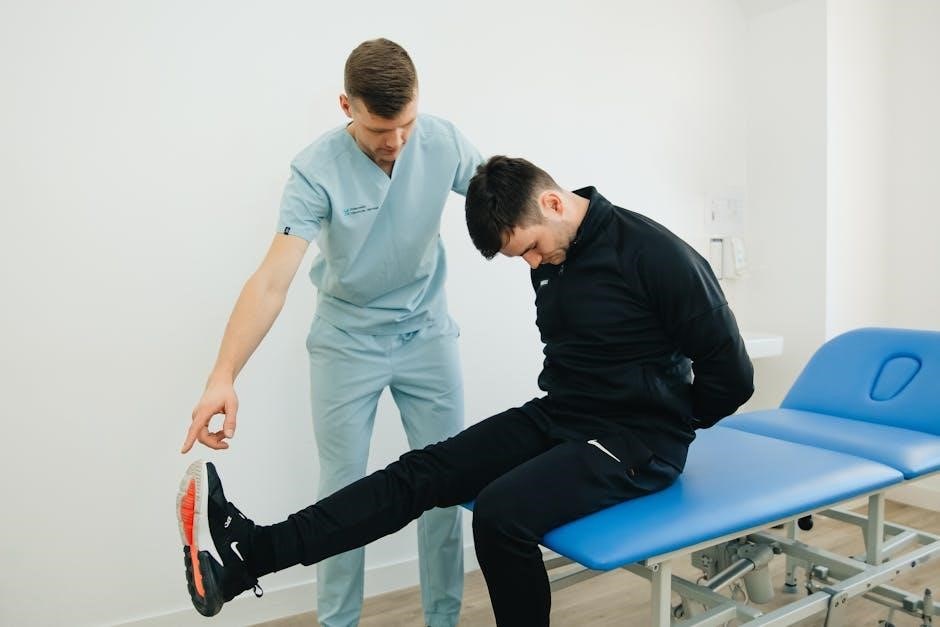
Mirror therapy creates the illusion of normal movement for a paralyzed limb‚ utilizing a mirror․ It is an effective adjuvant neurorehabilitation strategy‚ supporting brain plasticity and improving arm use in conditions like hemiparesis from stroke or brain injury‚ and chronic pain․ This technique aids recovery․
Core Definition and Principles
Mirror therapy is a rehabilitation technique fundamentally defined by its use of a mirror to create a visual illusion․ The core principle involves positioning a mirror to obscure an affected limb while simultaneously reflecting the healthy limb․ This setup makes it appear as if the impaired limb is performing movements normally‚ even if it has limited or no actual movement․ This visual feedback is paramount‚ often combined with motor imagery‚ actively supporting brain plasticity․ The technique leverages the brain’s capacity for reorganization‚ tricking the motor cortex into believing the affected limb is moving‚ thereby activating restorative neural mechanisms․ It’s an “idiomotor exercise” that facilitates the creation of new neural pathways and strengthens existing ones‚ helping to re-establish a functional feedback loop․ This method is considered an adjuvant therapy‚ enhancing basic neurorehabilitation by exploiting the powerful connection between visual input and motor control to improve function and reduce pain‚ based on the brain’s adaptable nature․
Therapeutic Goals and Benefits
The primary therapeutic goals of mirror therapy are deeply rooted in enhancing neurological recovery and functional improvement for affected limbs․ A key aim is to activate restorative neural mechanisms‚ thereby supporting crucial brain plasticity‚ which is vital for re-learning motor skills․ This technique specifically strives to improve arm and hand use in individuals suffering from conditions like hemiparesis resulting from stroke or brain injury‚ by leveraging the illusion of normal movement․ Another significant goal is to produce an analgesic effect‚ offering relief for chronic pain that often proves resistant to conventional treatments․ Mirror therapy serves as an effective adjuvant neurorehabilitation strategy‚ demonstrating its effectiveness when used in combination with basic neurorehabilitation and other physical therapy procedures․ It complements individual targeted training with paretic limbs‚ enhancing the overall efficacy of rehabilitation programs․ By creating a biofeedback loop between imagined or mirrored movements and sensations‚ it aims to re-establish proper motor control and sensory perception․ Ultimately‚ it promotes a re-education of the brain‚ facilitating greater independence and a higher quality of life through improved limb function and pain reduction․
Primary Conditions Addressed
Mirror therapy primarily addresses a spectrum of neurological and pain-related conditions impacting motor function and sensation․ A significant focus is on individuals experiencing hemiparesis‚ a common consequence of stroke or traumatic brain injury‚ where one side of the body exhibits weakness or partial paralysis․ This intervention is crucial for people striving to regain movement and function in an affected arm and hand following such neurological events‚ providing a unique visual feedback mechanism․ Beyond motor recovery‚ mirror therapy is also widely applied in managing chronic pain conditions‚ particularly those that have shown limited response to conventional therapeutic approaches․ It targets persistent discomfort by disrupting established pain pathways through sensory illusions․ Furthermore‚ it supports the rehabilitation of various motor impairments by promoting brain plasticity and cortical reorganization․ This includes conditions where patients struggle with limb movement or lack sensation‚ aiming to re-establish a functional connection between the brain and the impaired extremity․ The technique is also explored for complex regional pain syndrome (CRPS) and phantom limb pain‚ offering an alternative pathway for relief and functional improvement․ It’s a versatile tool for rehabilitation specialists․
Preparing for Mirror Therapy Exercises
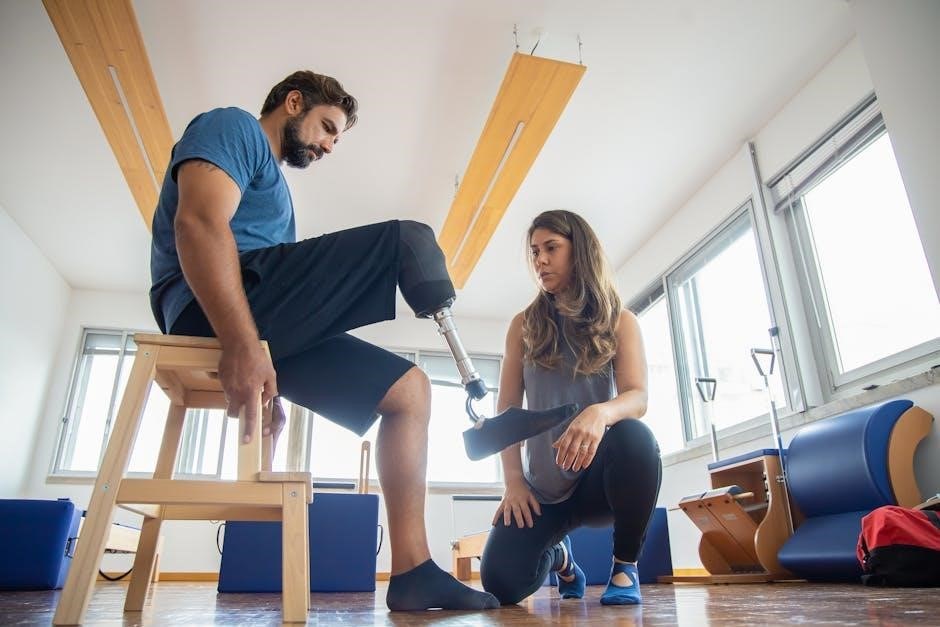
Proper preparation is crucial․ Sit upright‚ maintaining good posture․ Position the mirror at eye level‚ opened to a right angle․ Ensure your nose touches the mirror’s outer edge․ This careful setup supports effective mirror therapy sessions․
Required Materials and Setup
To prepare for mirror therapy‚ essential materials begin with a specialized mirror box․ This crucial device is designed to create the illusion that the affected limb is moving normally by reflecting the healthy limb’s actions․ The mirror should be securely positioned at eye level‚ ensuring the patient can clearly see their unaffected limb’s reflection․ A key setup detail is to open the mirror to a precise right angle‚ with the patient’s nose gently touching its outer edge‚ which optimizes the visual feedback for brain plasticity․ Beyond the physical mirror‚ the setup involves a comfortable‚ stable seating arrangement․ Patients must sit upright‚ maintaining good posture to facilitate focus and proper execution of exercises․ While basic sessions primarily use the mirror‚ advanced therapeutic setups may incorporate additional materials․ This can include specific sensory gloves that provide biological feedback‚ enhancing the rehabilitative experience․ Furthermore‚ modern setups might integrate virtual reality systems‚ offering multisensory stimulation and activating restorative neural mechanisms․ These advanced technologies‚ when included in the ‘materials and setup‚’ extend the scope of traditional mirror therapy‚ providing a comprehensive and engaging environment for recovery‚ particularly for conditions like hemiparesis or chronic pain‚ by creating a robust biofeedback loop between movement and sensation․
Optimal Seating and Posture
Achieving optimal seating and posture is fundamental for maximizing the effectiveness of mirror therapy․ Patients must sit upright‚ maintaining consistently good posture throughout the entire session․ This foundational positioning ensures comfort and reduces the likelihood of extraneous movements or discomfort that could distract from the primary therapeutic focus․ Proper posture‚ specifically an erect back and relaxed shoulders‚ facilitates better visual processing of the mirror reflection‚ which is critical for creating the illusion of movement in the affected limb․ A stable chair that supports the back is recommended to prevent slouching and maintain the desired alignment․ The feet should be flat on the floor or supported‚ promoting a grounded and balanced seated position․ This careful attention to posture also minimizes strain on the spine and neck‚ allowing the patient to concentrate fully on the exercises and the visual feedback provided by the mirror․ Good posture contributes significantly to patient endurance‚ enabling longer‚ more productive therapy sessions․ It helps to align the body so the healthy limb’s movements are clearly and accurately perceived by the brain as belonging to the affected limb‚ thereby enhancing brain plasticity and rehabilitative processes․ Therefore‚ establishing and maintaining correct seating and posture is not merely a comfort consideration but a core component of successful mirror therapy implementation․
Mirror Positioning Guide
For effective mirror therapy‚ precise mirror positioning is paramount to create the necessary visual illusion․ The mirror should always be kept at eye level‚ ensuring the reflected image of the healthy limb is directly within the patient’s line of sight‚ minimizing unnecessary head movement․ Crucially‚ the mirror must be opened to a right angle‚ forming a partition that completely obscures the affected limb from direct view․ The patient’s nose should ideally be positioned touching the outer edge of the mirror‚ or very close‚ optimizing the visual field․ This setup ensures the healthy limb’s reflection appears where the affected limb would be‚ tricking the brain into perceiving normal movement․ The mirror’s stability is vital; it must be securely placed to prevent wobbling or shifting during exercises‚ which could disrupt the illusion and diminish therapeutic efficacy․ Proper positioning ensures the brain receives clear‚ consistent visual feedback‚ activating restorative neural mechanisms and supporting brain plasticity․ This deliberate arrangement is foundational for successful direct and imagined reflected movements‚ making it a critical preparatory step for effective therapy․
Modes of Mirror Therapy Practice
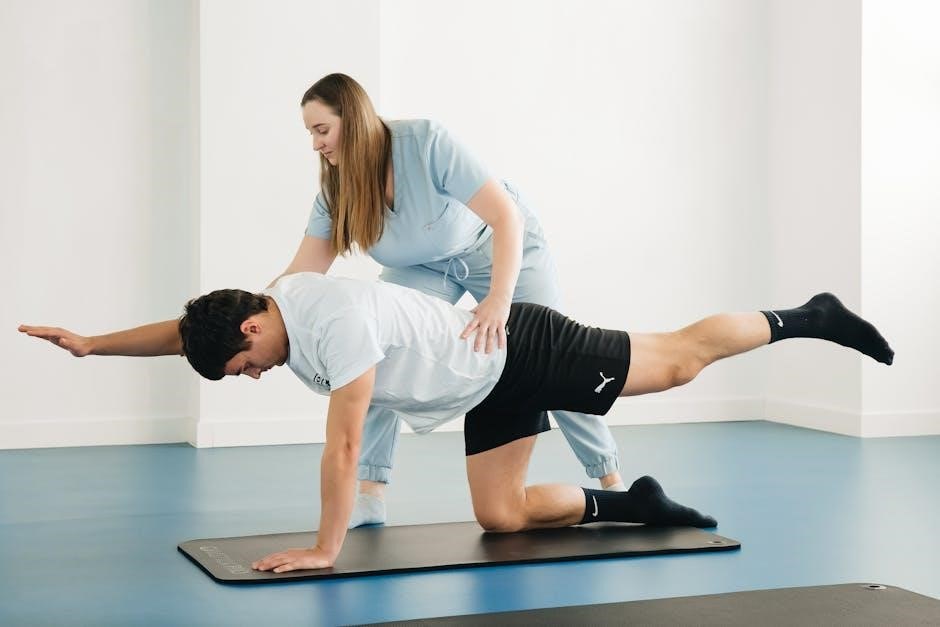
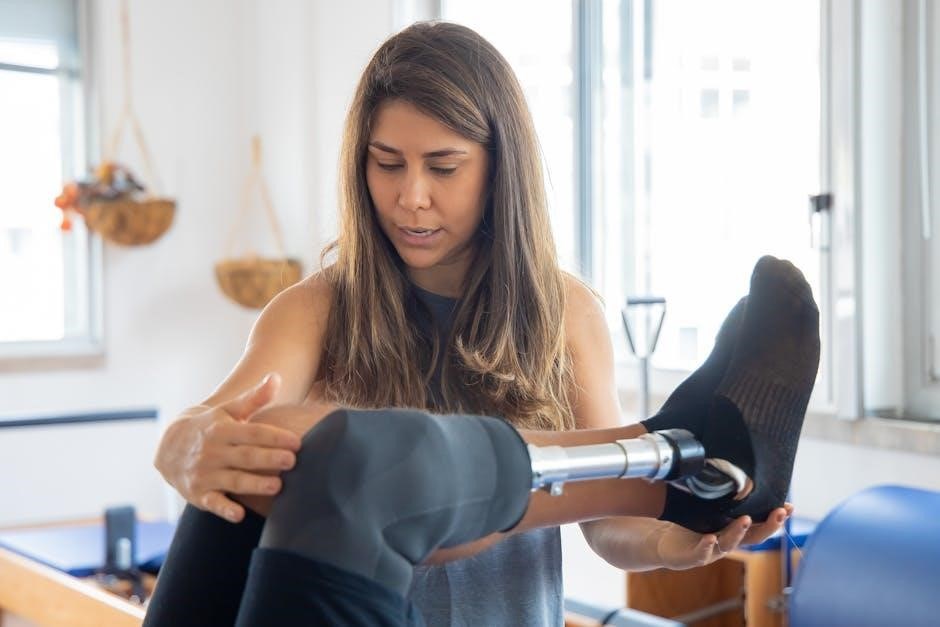
Mirror therapy primarily employs three modes: direct mirroring of healthy limb movements with the affected limb‚ imagined reflected movements where the brain perceives the affected limb moving‚ and therapist-assisted replication to guide the affected limb․ These distinct approaches support neurorehabilitation․
Direct Mirroring of Movement
Direct mirroring of movement is a foundational technique within mirror therapy‚ where the patient actively attempts to replicate the actions of their healthy limb with the affected limb in a synchronized fashion․ This effectively creates a powerful visual illusion․ By placing a mirror strategically‚ the reflection of the unaffected limb appears to be the affected limb moving normally․ The brain processes this compelling visual input‚ perceiving functional movement in the impaired limb‚ even if actual motor output is minimal or absent․ This perceptual trick is crucial for stimulating neuroplastic changes and challenging the brain’s existing maps․ The patient focuses intently on the reflection‚ consciously willing the affected limb to move in unison with its healthy counterpart․ This direct‚ synchronous imitation helps to re-establish neural pathways and improve motor control over time; It’s a fundamental step for individuals with hemiparesis or other motor deficits‚ encouraging active participation and fostering a sense of agency over the recovery process․ The immediate visual feedback reinforces desired movements‚ providing positive reinforcement and gradually reducing learned non-use․ This method is often the initial and primary approach in many comprehensive mirror therapy protocols‚ laying essential groundwork for further rehabilitation progress and functional gains․
Imagined Reflected Movement
Imagined reflected movement represents a crucial mode within mirror therapy‚ particularly valuable when direct physical replication is challenging․ In this approach‚ the patient actively imagines the reflected movement of their healthy limb being performed by their affected limb․ This cognitive exercise goes beyond simple observation; it demands focused mental engagement․ While observing the mirror image of the unaffected limb moving‚ the individual consciously generates the internal sensation and motor command for the impaired limb to perform the same action‚ even if no actual movement occurs․ This powerful combination of visual feedback and motor imagery is instrumental in supporting brain plasticity and activating restorative neural mechanisms․ It allows the brain to re-engage motor pathways associated with the affected limb‚ even in cases of severe paralysis or significant pain․ This mental practice helps to circumvent physical limitations‚ reduce learned non-use‚ and reinforce the neural circuitry necessary for eventual physical recovery․ As an idiomotor exercise‚ it complements other neurorehabilitation strategies‚ offering a profound way to stimulate cortical reorganization and prepare the motor system for future functional improvements‚ proving its effectiveness when used in combination with basic neurorehabilitation․
Therapist-Assisted Replication
Therapist-assisted replication constitutes a vital third mode within mirror therapy‚ particularly beneficial for individuals with significant motor impairment where independent movement is severely limited or absent․ In this specific approach‚ the therapist plays an active role‚ physically guiding the patient’s affected hand to precisely replicate the observed movement of the healthy hand in the mirror․ This synchronized assistance ensures the visual illusion is powerfully reinforced by actual proprioceptive and tactile feedback from the impaired limb․
The therapist’s intervention allows for the initiation of movement patterns the patient might otherwise be unable to perform voluntarily‚ directly addressing learned non-use․ By facilitating these movements‚ even passively‚ the brain receives crucial afferent signals corresponding to visual input․ This multisensory integration—seeing the healthy limb move‚ feeling the affected limb move‚ and attempting to move it—helps activate restorative neural mechanisms and supports brain plasticity․ It’s an integral part of physical therapy procedures and targeted training with paretic limbs‚ bridging the gap between passive observation and active movement‚ supporting comprehensive neurorehabilitation efforts․

Progression of Mirror Therapy Exercises
Mirror therapy exercises progress systematically․ They begin with simple movements without objects in initial sessions‚ advance to intermediate movements with objects‚ and conclude with more complex movements involving objects․ This structured progression enhances motor recovery effectively․
Basic Movements Without Objects
Basic Movements Without Objects mark the initial phase in mirror therapy progression‚ focusing on foundational motor control and neural re-education․ During these early sessions‚ patients concentrate on performing simple‚ unassisted movements with their unaffected limb while simultaneously observing its reflection․ The critical aspect is to create the illusion that the affected limb is mirroring these same actions․ Exercises typically commence with fundamental actions like opening and closing the hand‚ flexing and extending individual fingers‚ or performing wrist rotations and bends․ The goal is to establish a strong visual feedback loop‚ tricking the brain into perceiving movement and engagement in the paretic or painful limb; These initial steps are vital for supporting brain plasticity and preparing the patient for more complex tasks․ The emphasis remains on smooth‚ controlled movements‚ even if the affected limb remains completely still or has minimal voluntary movement․ This foundational work sets the stage for subsequent stages involving objects‚ gradually building complexity and functional ability․ Therapists guide patients to maintain optimal seating and posture‚ ensuring the mirror positioning effectively supports this visual deception‚ maximizing therapeutic impact from the very first session․ This careful introduction facilitates neural pathway reactivation․
Intermediate Movements With Objects
Intermediate Movements With Objects represent a crucial progression in mirror therapy‚ building upon initial basic sessions․ Once patients achieve proficiency with simple‚ object-free motions‚ the therapeutic focus naturally shifts to incorporating small‚ manipulable items․ These sessions involve the unaffected hand actively engaging with an object‚ while the affected limb remains hidden behind the mirror․ This setup creates a compelling visual illusion of the affected hand performing the action‚ enhancing engagement․ The introduction of objects significantly enhances the complexity of exercises‚ requiring more refined grip strength‚ improved pinch precision‚ and coordinated movement patterns․ This stage challenges the brain further‚ stimulating neural plasticity by integrating visual feedback with essential tactile and proprioceptive input directly from object handling․ The primary goal is to reinforce the perception of functional movement in the affected limb‚ gradually rebuilding motor pathways vital for daily activities․ Therapists carefully select objects matching the patient’s evolving capabilities‚ ensuring a continuous‚ yet manageable‚ increase in therapeutic demand․ This methodical‚ object-oriented approach is fundamental for substantially improving fine motor skills and effectively preparing for more advanced functional tasks‚ bridging the gap towards greater independence․
Advanced Movements With Objects
Advanced Movements With Objects mark the pinnacle of mirror therapy progression‚ building on the foundations established in earlier intermediate sessions․ This stage incorporates significantly more complex movements with objects‚ challenging patients to refine their motor skills and coordination to a much higher degree․ The exercises demand intricate manipulation of various items‚ often smaller or requiring multi-directional control‚ mimicking real-world functional tasks more closely․ Patients might practice unbuttoning clothes‚ picking up coins‚ or using utensils‚ all while maintaining the mirror illusion․ The primary objective here is to enhance precision grip‚ bimanual coordination‚ and the execution of sequential movements‚ which are crucial for regaining independence in daily living activities․ This advanced level of engagement further stimulates neuroplasticity‚ solidifying new neural pathways and improving cortical representation of the affected limb․ The increased cognitive and motor demands at this stage are vital for consolidating recovery‚ preparing the individual for seamless integration of learned skills into their everyday routine․ Therapists guide the selection of these challenging tasks‚ ensuring they are tailored to the individual’s progress and rehabilitation goals‚ thereby maximizing therapeutic outcomes․
Example Arm and Hand Exercises
Mirror therapy sessions often incorporate a range of arm and hand exercises‚ progressively increasing in complexity to enhance motor function for stroke survivors or individuals with hemiparesis․ Initial exercises typically involve basic movements performed without objects‚ focusing on fundamental joint articulation and range of motion․ Examples include opening and closing the hand‚ flexing and extending individual fingers‚ and pronating/supinating the wrist․ These simple actions help re-establish neural pathways and improve basic motor control․ As progress is made‚ intermediate exercises introduce objects‚ requiring more refined manipulation and grip․ Patients might practice grasping and releasing a soft ball‚ sliding a small block across a surface‚ or picking up larger items like a water bottle․ The healthy hand performs the action‚ and the affected hand‚ observed in the mirror‚ attempts to replicate or imagine the movement․ Further advancement leads to complex movements with objects‚ such as stacking coins‚ turning a key‚ or buttoning a shirt․ A typical 20-minute session often guides participants through six such exercises‚ improving arm and hand function․ The ultimate goal is to stimulate brain plasticity and facilitate functional recovery by creating the compelling illusion of movement‚ even when the affected limb has little or no voluntary control․
Implementing Mirror Therapy Protocols
Implementing mirror therapy protocols requires structured‚ consistent application․ This involves setting session durations and frequencies‚ integrating with adjunctive rehabilitation․ Breathing exercises‚ biofeedback‚ or virtual reality are crucial for enhancing patient outcomes and supporting brain plasticity․
Recommended Session Duration
Determining the optimal session duration for mirror therapy is a crucial element for effective rehabilitation‚ significantly influencing patient engagement and therapeutic outcomes․ Research and clinical practice suggest a flexible approach‚ adapting to individual patient needs and the specific condition being addressed․ Initial studies often recommend daily sessions lasting approximately 15 minutes‚ as observed in some cohorts․ This foundational duration allows individuals to comfortably acclimate to the technique and gradually develop initial motor control without experiencing excessive fatigue․ As therapy progresses‚ the session length can be dynamically adjusted based on the patient’s tolerance‚ observed improvements‚ and evolving therapeutic objectives‚ sometimes guided by pre-set rules or adaptive frameworks like the modified Fibonacci sequence for dose setting․ Moreover‚ practical applications‚ such as real-time guided mirror therapy videos for stroke survivors‚ frequently demonstrate sessions around 20 minutes‚ encompassing a variety of specific arm and hand exercises․ These slightly extended sessions facilitate more comprehensive engagement with diverse movement patterns․ The primary goal is to strike a balance between providing sufficient sensory and motor stimulation necessary for neuroplasticity and preventing overexertion‚ thereby ensuring sustained patient participation and maximizing therapeutic benefits without causing discomfort or burnout․ Ongoing assessment by a rehabilitation specialist is essential to personalize the recommended duration for each individual’s unique recovery journey․
Training Frequency and Schedule
The efficacy of mirror therapy is profoundly influenced by a consistent and well-structured training frequency and schedule․ Many rehabilitation protocols advocate for daily engagement to maximize neuroplasticity and foster motor recovery․ For example‚ some studies have successfully demonstrated positive outcomes when participants performed mirror movement therapy for 14 consecutive days‚ underscoring the critical role of uninterrupted practice․ Typically‚ individuals are encouraged to integrate mirror therapy into their daily routine‚ ensuring regular sensory and motor stimulation for affected neural pathways․ The precise schedule might involve one or more sessions per day‚ depending on the patient’s tolerance‚ specific condition‚ and the guidance of a rehabilitation specialist․ While a common starting point is daily training‚ the exact dose and frequency for subsequent cohorts can be dynamically adjusted according to pre-set rules or adaptive algorithms‚ such as the modified Fibonacci sequence‚ to optimize progression․ This personalized approach ensures the therapy remains challenging yet manageable․ Furthermore‚ mirror therapy is frequently incorporated as an adjunctive strategy within a broader neurorehabilitation program‚ which dictates its place in a comprehensive schedule alongside physiotherapy procedures and other physical therapy exercises․ A consistent schedule is paramount for reinforcing new motor patterns and achieving sustained improvements in limb function and chronic pain management‚ allowing the brain to consolidate learning effectively over time․
Adjunctive Rehabilitation Strategies
Mirror therapy‚ while powerful‚ often achieves optimal outcomes when integrated with a suite of adjunctive rehabilitation strategies․ Its effectiveness as an adjuvant therapy is significantly enhanced when used in combination with basic neurorehabilitation protocols․ These comprehensive programs frequently incorporate various physiotherapy procedures and physical therapy exercises‚ including individualized targeted training for paretic limbs․ Beyond traditional physical interventions‚ incorporating breathing exercises is noted to support brain plasticity‚ complementing the neurological benefits․ Advanced technological adjuncts also play a crucial role․ For instance‚ trainings utilizing sensory gloves‚ such as the Anika with biological feedback‚ can be integrated into therapeutic physical culture programs‚ providing real-time feedback that reinforces motor learning and skill acquisition․ Furthermore‚ virtual reality offers multisensory stimulation‚ which actively engages restorative neural mechanisms and can produce an analgesic effect‚ making it a valuable complement for diverse conditions․ Somatosensory RDs‚ based on creating a biofeedback loop‚ further exemplify how advanced feedback systems greatly enhance the therapeutic process by linking completed movements with received visual‚ auditory‚ or haptic sensations․ This multi-modal approach maximizes overall recovery potential by addressing various facets of neurological and motor dysfunction concurrently․
Incorporating Breathing Exercises
Breathing exercises are a valuable element within mirror therapy protocols‚ specifically designed to support and enhance brain plasticity․ Their integration offers a complementary approach to the visual and motor aspects of the therapy․ By consciously focusing on controlled respiration‚ patients can activate neural mechanisms that are conducive to neurological reorganization and recovery․ These exercises often involve mindful techniques‚ such as deep diaphragmatic breathing‚ which help to foster a state of relaxation and reduce physiological stress․ This relaxed state is crucial for optimizing the brain’s receptiveness to therapeutic inputs and for facilitating the formation of new neural connections․ When patients incorporate rhythmic breathing into their mirror therapy sessions‚ it aids in improving concentration and endurance‚ allowing for more sustained engagement with the exercises․ The deliberate practice of breathing serves as an internal regulatory mechanism‚ mitigating fatigue and enhancing overall mental focus during the complex process of motor relearning․ This synergistic combination ensures that the brain is in an optimal state for absorbing and responding to the sensory and motor feedback provided by the mirror‚ ultimately accelerating functional improvements and supporting long-term rehabilitation goals․
Advanced Biofeedback and VR
Advanced mirror therapy protocols increasingly integrate sophisticated technologies like virtual reality (VR) and biofeedback to amplify therapeutic outcomes․ Virtual reality provides multisensory stimulation‚ activating restorative neural mechanisms‚ and producing an analgesic effect‚ making it a compelling tool in rehabilitation․ VR environments create highly immersive scenarios that enhance the illusion of movement‚ a core mirror therapy principle‚ by presenting a reflected limb within a digital space․ This offers a dynamic and engaging alternative to traditional mirror boxes․ Furthermore‚ advanced biofeedback systems are incorporated to establish a precise loop between completed movements and the sensations received—visual‚ auditory‚ or somatosensory․ Specialized sensory gloves‚ like the Anika‚ are used in therapeutic physical culture programs to provide real-time biological feedback․ This integration allows patients to receive immediate‚ quantifiable data on their performance‚ fostering a deeper understanding of movement patterns and progress․ These technologies collectively enhance engagement‚ provide richer feedback‚ and optimize brain plasticity‚ accelerating recovery and improving functional outcomes in neurorehabilitation․