
Common and proper nouns are fundamental building blocks of language, and mastering their distinction is crucial for effective communication․
This worksheet, often available as a PDF, provides focused practice, including answer keys, to solidify understanding of these essential grammatical concepts․
What are Nouns?
Nouns are words that represent people, places, things, or ideas – the very core of sentences! They function as the subjects or objects within a phrase, providing essential context․
Understanding nouns is the first step towards grasping grammar, and worksheets, often found as downloadable PDFs, are excellent tools for practice․ These resources typically include exercises designed to identify nouns within sentences․
A common and proper nouns worksheet with answers will often begin by defining what a noun is, before moving onto specific types․ The answer key allows for self-assessment, reinforcing learning․ Recognizing nouns is vital for building strong sentence structure and clear communication skills, making these worksheets invaluable for students of all levels․
Common Nouns: General Names
Common nouns denote general categories of people, places, things, or ideas – they aren’t specific․ Think “city,” “dog,” or “book․” These words don’t require capitalization unless they begin a sentence․
A common and proper nouns worksheet (often a PDF download) will frequently ask students to identify these general terms within sentences․ The worksheet’s exercises help distinguish them from their specific counterparts․
The answer key accompanying these worksheets confirms correct identification․ For example, “woman” is a common noun, while “Ms․ Johnson” is a proper noun․ Mastering common nouns is foundational for understanding how language categorizes the world around us, and practice through these resources is key to building fluency․
Proper Nouns: Specific Names
Proper nouns name specific people, places, organizations, or things – they are unique identifiers․ Crucially, proper nouns always begin with a capital letter․ Examples include “London,” “Shakespeare,” and “Tuesday․”
A common and proper nouns worksheet, often available as a downloadable PDF, focuses on recognizing and correctly capitalizing these unique names․ These exercises frequently involve distinguishing between general and specific terms․
The worksheet’s answer key provides confirmation of correct capitalization and identification․ For instance, “country” is common, but “France” is proper․ Understanding proper nouns is vital for clear and accurate writing, and consistent practice with these resources reinforces this essential grammatical skill․

Identifying Common and Proper Nouns
Worksheets, often in PDF format with included answer keys, help students differentiate between general common nouns and specific proper nouns effectively․
Capitalization Rules for Proper Nouns
Proper nouns always begin with a capital letter, a fundamental rule often emphasized in common and proper nouns worksheets, frequently available as a downloadable PDF․
This includes the names of specific people (e․g․, John, Mary), places (e․g․, Paris, Canada), organizations (e․g․, United Nations, Google), and days of the week or months (e․g․, Monday, December)․
Titles, when used before a name, are also capitalized (e․g․, President Lincoln)․
However, general references aren’t capitalized (e․g․, a president, cities)․
Worksheets with answer keys often include exercises specifically designed to test students’ understanding of these capitalization rules, prompting them to identify and correct improperly capitalized proper nouns within sentences․ Consistent practice reinforces correct usage․
Examples of Common and Proper Noun Pairs
Illustrating the difference with pairs clarifies the distinction between common and proper nouns, a key focus of many educational worksheets, often found as a PDF download with accompanying answer keys․

For instance, “city” is common, while “New York City” is proper․ “Country” is common; “France” is proper․ “Author” is common, but “Jane Austen” is proper․
Similarly, “river” is common, contrasted with “Mississippi River” being proper․ “Month” is common, while “October” is proper․
These pairings demonstrate how proper nouns provide specific names for general categories represented by common nouns․
Worksheet exercises frequently ask students to create these pairs or identify which noun in a given set is common versus proper, reinforcing this core grammatical concept․

Worksheet Activities: Common and Proper Nouns
Engaging worksheets, often in PDF format with included answer keys, offer fill-in-the-blank, underlining, and sorting exercises to practice noun identification․
Fill-in-the-Blank Exercises
These exercises present sentences with missing nouns, requiring students to select the appropriate word – either a common or proper noun – to complete each statement correctly․ A typical worksheet, downloadable as a PDF, will include a word bank containing potential options, enhancing the learning process․
For example, a sentence might read: “My friend visited _______ (city) last summer․” Students must choose between a common noun like “city” or a proper noun like “London․” The PDF worksheet often features ten to fifteen such sentences, progressively increasing in difficulty․
Crucially, a corresponding answer key is provided, allowing for self-assessment or easy grading by educators․ This immediate feedback reinforces correct usage and identifies areas needing further attention, solidifying understanding of common versus proper noun distinctions․
Underlining Common Nouns and Circling Proper Nouns
This activity, commonly found in common and proper nouns worksheets (often available as a PDF), challenges students to visually differentiate between the two noun types within sentences․ Students are instructed to underline all common nouns – general names for people, places, or things – and circle all proper nouns – specific names that are always capitalized․
A sample sentence might be: “My sister visited Paris and saw the Eiffel Tower․” Here, “sister” and “tower” would be underlined, while “Paris” and “Eiffel Tower” would be circled․
The PDF worksheet typically includes 10-15 sentences, providing ample practice․ An accompanying answer key allows for quick and accurate assessment, highlighting any misidentified nouns and reinforcing capitalization rules for proper nouns․
Sorting Activities: Common vs․ Proper
Many common and proper nouns worksheets, frequently offered as downloadable PDF files, incorporate sorting exercises to reinforce understanding․ These activities present students with a list of nouns and require them to categorize each word as either “Common” or “Proper․” This hands-on approach encourages active learning and solidifies the distinction between general and specific names․
For example, a list might include words like “city,” “London,” “teacher,” and “Ms․ Johnson․” Students would sort “city” and “teacher” under “Common,” and “London” and “Ms․ Johnson” under “Proper․”
The PDF often includes a pre-formatted table or chart for easy organization․ An answer key is typically provided, enabling self-assessment or teacher evaluation, ensuring students grasp the core concepts of noun categorization․

Advanced Concepts
Beyond basic identification, exploring nouns as subjects/objects and understanding collective nouns within worksheets (PDF format with answers) deepens grammatical knowledge․
Nouns as Subjects and Objects
Understanding how common and proper nouns function as subjects and objects within sentences is a key step in mastering grammar․ A worksheet, often found as a downloadable PDF with included answer keys, can provide targeted practice․
Subjects perform the action in a sentence – for example, “London is a vibrant city” (London is the subject)․ Objects receive the action – “She visited Paris” (Paris is the object)․ Identifying nouns in these roles reinforces comprehension․
Exercises often involve identifying the subject and object nouns in given sentences, or constructing sentences using specified common and proper nouns in these grammatical positions․ These worksheets help students move beyond simple identification to practical application, solidifying their understanding of sentence structure and grammatical roles․
Collective Nouns and Proper Nouns
The intersection of collective and proper nouns presents a unique challenge for learners, often addressed in comprehensive worksheets available as PDF downloads with accompanying answer keys․ Collective nouns (like team or family) represent a group, and their treatment regarding singular or plural verbs can be tricky․
When a collective noun acts as a single unit, it takes a singular verb; when referring to the individuals within the group, a plural verb is used․ If the collective noun is specifically named – for instance, “The Boston Celtics are playing well” – it functions as a proper noun․
Worksheet exercises often involve identifying collective nouns, determining whether they should be treated as singular or plural, and recognizing when a collective noun is functioning as a proper noun within a sentence, enhancing nuanced grammatical understanding․

Worksheet Answer Keys
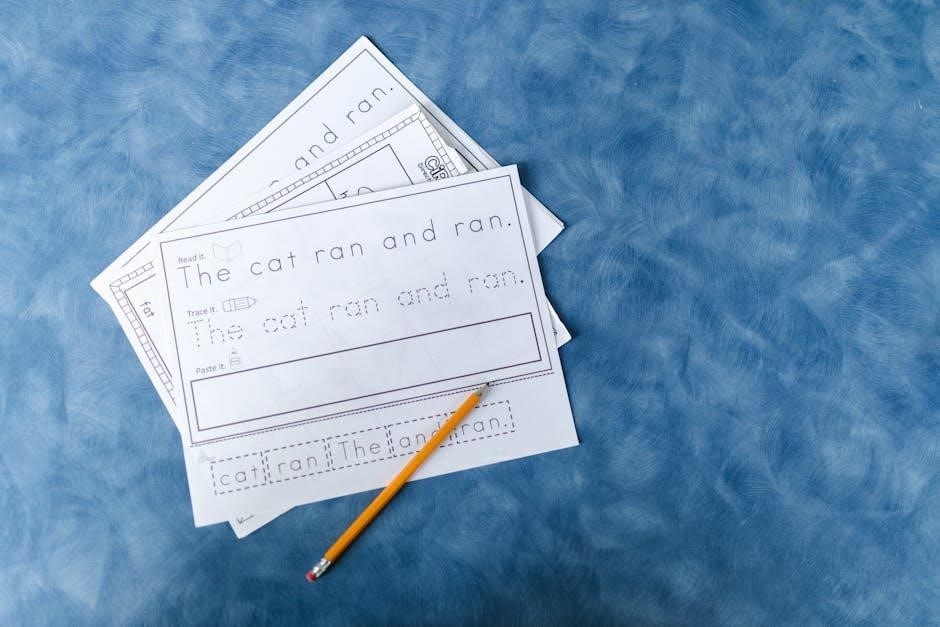
Answer keys for common and proper noun worksheets (often PDF format) provide immediate feedback, enabling students to self-assess and reinforce learning effectively․
Understanding the Answer Key Format
The answer key accompanying a common and proper noun worksheet, frequently found as a PDF document, is designed for clarity and ease of use․ Typically, it mirrors the worksheet’s structure, presenting each question or exercise alongside its correct solution․
For fill-in-the-blank questions, the key will explicitly state the expected noun – whether common or proper – that should fill the space․ In exercises requiring underlining or circling, the key will visually demonstrate the correct nouns identified, often using bolding or different colors․
When sorting activities are included, the answer key will clearly delineate the two categories – common nouns and proper nouns – with a comprehensive list of items correctly placed within each․ Some keys may also include brief explanations justifying the categorization, enhancing the learning process․
Common Errors and How to Avoid Them
When completing a common and proper noun worksheet (often a PDF), students frequently struggle with capitalization rules․ A common mistake is failing to capitalize all parts of a proper noun – for example, writing “september” instead of “September․”
Another error involves misidentifying general categories as proper nouns․ Remembering that common nouns refer to general things, while proper nouns name specific entities, is key․ Students sometimes incorrectly capitalize common nouns, believing specificity is implied․

To avoid these pitfalls, carefully review capitalization guidelines before starting․ Double-check each answer, asking if the noun refers to a unique person, place, or thing․ Utilizing the worksheet’s answer key for self-assessment reinforces correct identification and capitalization․

Resources and Further Practice

Numerous online quizzes and interactive exercises reinforce common and proper noun concepts, complementing worksheets (PDF format)․
Additional printable worksheets are readily available for continued practice and skill development․
Online Quizzes and Interactive Exercises
To supplement common and proper noun worksheets – often found as downloadable PDFs with included answer keys – a wealth of digital resources exists․ These interactive tools offer dynamic learning experiences beyond static paper-based activities․
Websites dedicated to grammar instruction frequently host multiple-choice quizzes that test identification skills․ Many platforms provide immediate feedback, highlighting correct and incorrect responses to facilitate learning․ Gamified exercises, such as drag-and-drop activities or noun-sorting challenges, can make practice more engaging for students․
Interactive platforms often adapt to a student’s skill level, providing progressively challenging questions․ Some resources even generate personalized worksheets based on areas where a student needs improvement․ These digital tools are excellent for reinforcing concepts learned from PDF worksheets and solidifying understanding of common versus proper noun usage․
Additional Printable Worksheets (PDF)
Beyond the initial common and proper noun worksheet – frequently available as a convenient PDF download complete with an answer key – numerous supplementary materials can reinforce learning․ These printable resources cater to diverse learning styles and skill levels․
Many educational websites offer themed worksheets, incorporating common and proper noun practice into engaging contexts like stories or seasonal activities․ Variations include fill-in-the-blank exercises, sentence editing tasks, and identification challenges where students underline or circle specific noun types․
For advanced learners, worksheets focusing on abstract nouns or proper nouns requiring specific capitalization rules are available․ Teachers and parents can easily download and print these PDFs for targeted practice, ensuring a comprehensive grasp of common and proper noun concepts․