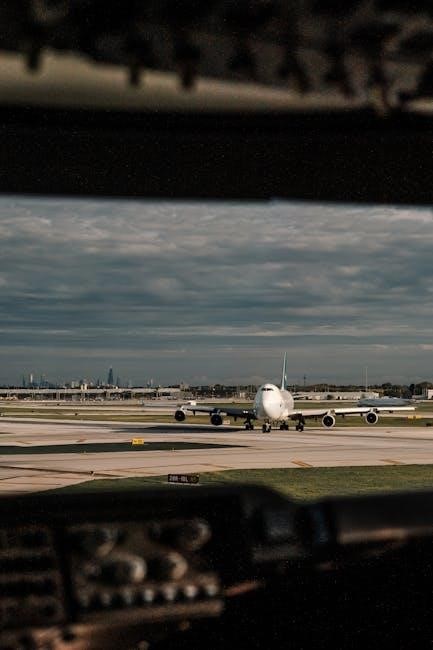
Air traffic control faces staffing shortages, impacting U․S․ flights as of March 30, 2026․ Training programs, like Angelo State University’s, are expanding to address this critical need․
What is Air Traffic Control?
Air Traffic Control (ATC) is a vital service managing the safe, orderly, and efficient flow of air traffic globally․ These unseen professionals, as highlighted recently, prevent aerial congestion and potential disasters․ ATC encompasses various facilities – towers, approach/departure controls, and en route centers – each with specific responsibilities․ Controllers utilize radar, communication systems, and established procedures to guide aircraft from takeoff to landing․
The FAA is currently grappling with shortages, leading to flight delays, demonstrating ATC’s crucial role․ Controllers provide clearances, advisories, and critical information to pilots, ensuring separation and adherence to regulations․ Angelo State University’s program exemplifies the growing need for qualified personnel, reflecting the complexities and importance of this profession․
The Importance of Air Traffic Controllers
Air traffic controllers are fundamentally responsible for safeguarding the national airspace․ Recent disruptions, stemming from staffing shortages as of March 30, 2026, vividly illustrate their indispensable role․ Without skilled controllers, the potential for collisions and chaotic flight schedules dramatically increases, impacting countless travelers and the economy․
They aren’t merely directing planes; they’re proactively managing complex scenarios, responding to emergencies, and adapting to unforeseen circumstances․ The FAA’s reliance on expanded training initiatives, like those at Angelo State University, underscores the urgency of addressing the controller shortage․ Their expertise ensures the seamless and secure movement of aircraft, a service often taken for granted but absolutely critical to modern aviation․
Becoming an Air Traffic Controller
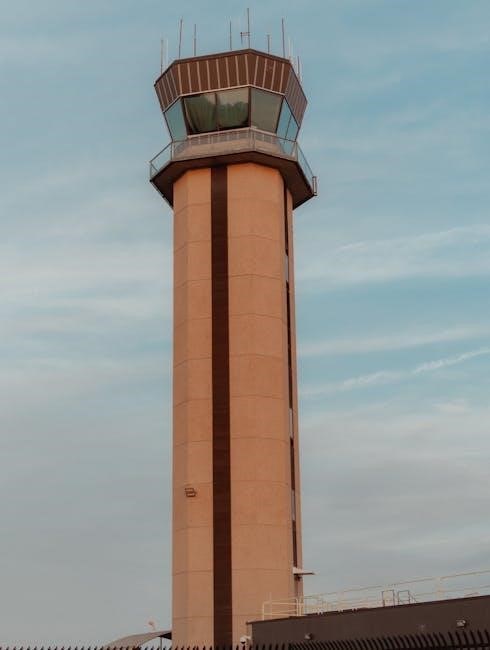
FAA training is a rigorous pipeline, with colleges like Angelo State University offering approved programs to prepare candidates for this demanding, yet vital, profession․
Educational Requirements and Training
Aspiring air traffic controllers typically need a degree, though the FAA now approves specific college programs like the one at Angelo State University․ These programs offer focused training, preparing students for the demanding role․ Historically, a degree in any field was acceptable, but completion of an FAA-approved school significantly enhances application competitiveness․
The training isn’t solely academic; it’s intensely practical․ Candidates undergo rigorous assessments evaluating aptitude, spatial reasoning, and multitasking abilities․ Successful applicants then proceed through the FAA’s training pipeline, which includes classroom instruction, simulations, and ultimately, on-the-job training at an air traffic control facility․ This comprehensive approach ensures controllers are fully prepared to manage the complexities of airspace․
FAA Training Pipeline
The FAA’s training pipeline is a multi-stage process designed to transform recruits into fully qualified air traffic controllers․ It begins with selection, followed by intensive training at the FAA Academy in Oklahoma City․ Here, students learn foundational principles, air traffic procedures, and radar systems․
Next comes facility training, where trainees are assigned to an operational facility and work under the guidance of experienced controllers․ This phase involves simulated scenarios and real-world experience, gradually increasing responsibility․ Successful completion of facility training culminates in certification, allowing the controller to work independently․ Continuous training and recurrent evaluations are vital throughout a controller’s career, ensuring ongoing competency and adaptation to evolving technologies․
Air Traffic Controller Skills and Aptitudes
Successful air traffic controllers possess a unique blend of skills and aptitudes․ Critical thinking and rapid decision-making are paramount, as controllers must quickly assess complex situations and react effectively․ Excellent communication skills are essential for clear and concise instructions to pilots․
Strong spatial reasoning and the ability to visualize aircraft movements in three dimensions are crucial․ Controllers must also demonstrate exceptional stress management skills, maintaining composure under pressure․ Furthermore, a high degree of attention to detail and situational awareness is vital for preventing errors and ensuring safety․ Aptitude tests assess these qualities during the selection process․
Daily Life as an Air Traffic Controller
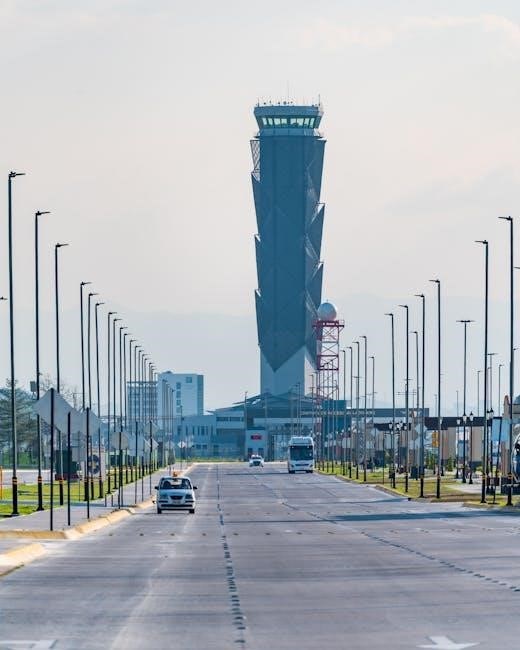
Controllers work varied shifts in facilities ranging from bustling towers to quiet centers, constantly communicating with pilots using standardized procedures to maintain safe airspace․
Work Environment and Shifts
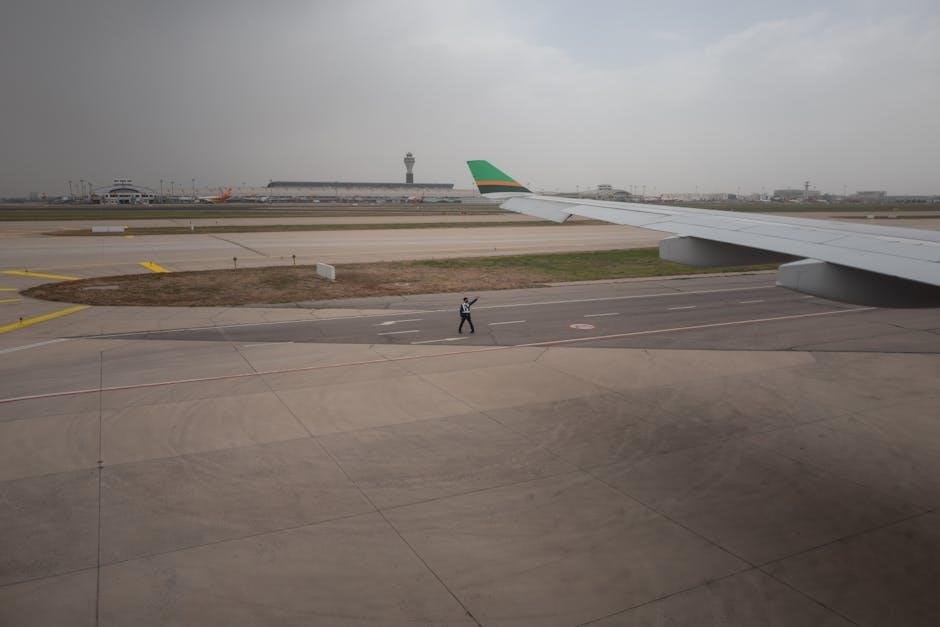
Air traffic controllers operate within high-tech facilities, often towers overlooking airports or darkened rooms housing radar systems․ The environment demands intense concentration and quick decision-making․ Shifts are rarely 9-to-5; controllers typically work rotating schedules, including nights, weekends, and holidays, ensuring 24/7 coverage․
These schedules can be disruptive to personal life, but are necessary for continuous safety․ Facilities range from small towers handling a few flights to large, complex centers managing regional airspace․ The work is inherently stressful, requiring constant vigilance and the ability to handle emergencies calmly and efficiently․ Breaks are scheduled and strictly adhered to, recognizing the mental fatigue associated with the job․
Types of Air Traffic Control Facilities
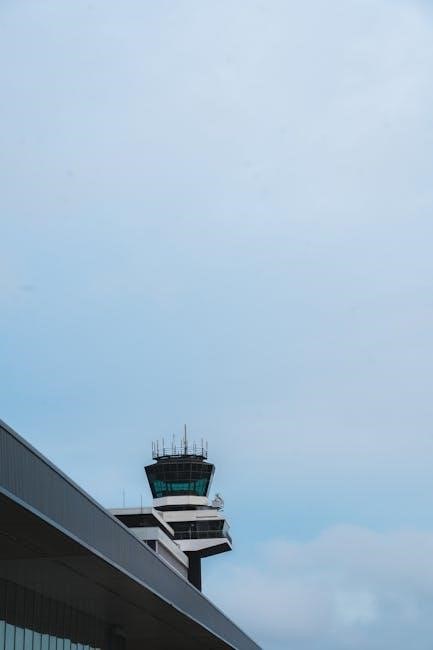
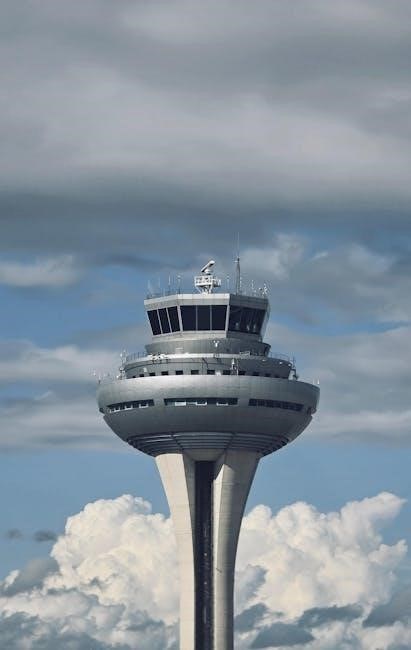
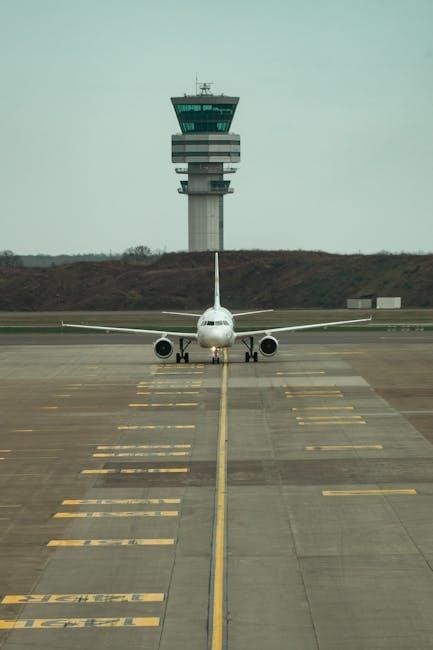
Air traffic control encompasses several facility types, each with a specific role․ Airport Traffic Control Towers (ATCTs) manage aircraft on and around airports, directing takeoffs, landings, and taxiing․ Terminal Radar Approach Control (TRACONs) handle aircraft within a 5-50 mile radius of airports, guiding them during approach and departure․
Air Route Traffic Control Centers (ARTCCs) oversee high-altitude en route traffic across vast regions․ These centers utilize radar and communication systems to maintain safe separation between aircraft․ Additionally, there are specialized facilities like Flight Service Stations providing weather briefings and flight planning assistance․ The FAA is modernizing these facilities with NextGen technology․
Communication and Procedures
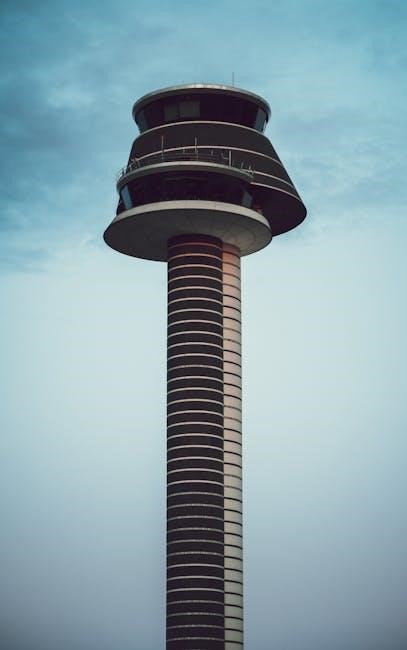
Air traffic controllers rely on standardized phraseology for clear and concise communication with pilots․ This minimizes ambiguity and ensures safety․ Controllers use radio frequencies to transmit instructions, clearances, and advisories․ Strict procedures govern all interactions, including altitude assignments, heading changes, and speed adjustments․
Controllers employ radar displays and flight strips to track aircraft positions and maintain situational awareness․ They adhere to separation standards – minimum distances between aircraft – to prevent collisions․ Emergency procedures are meticulously practiced and followed during unforeseen events․ Effective teamwork and coordination are crucial within each facility, ensuring seamless traffic flow and a safe airspace․
Challenges Facing Air Traffic Control
Staffing shortages and government shutdowns significantly disrupt air travel, causing delays and cancellations across the U․S․, as seen in recent events․
Staffing Shortages and Their Impact
The Federal Aviation Administration (FAA) is currently grappling with a substantial air traffic controller shortage, leading to significant disruptions in air travel across the United States․ As of March 30, 2026, the agency has been forced to delay flights at numerous facilities due to insufficient staffing levels․ This shortage isn’t a new issue; a previous shutdown earlier in 2025 also resulted in thousands of flights being delayed or canceled․
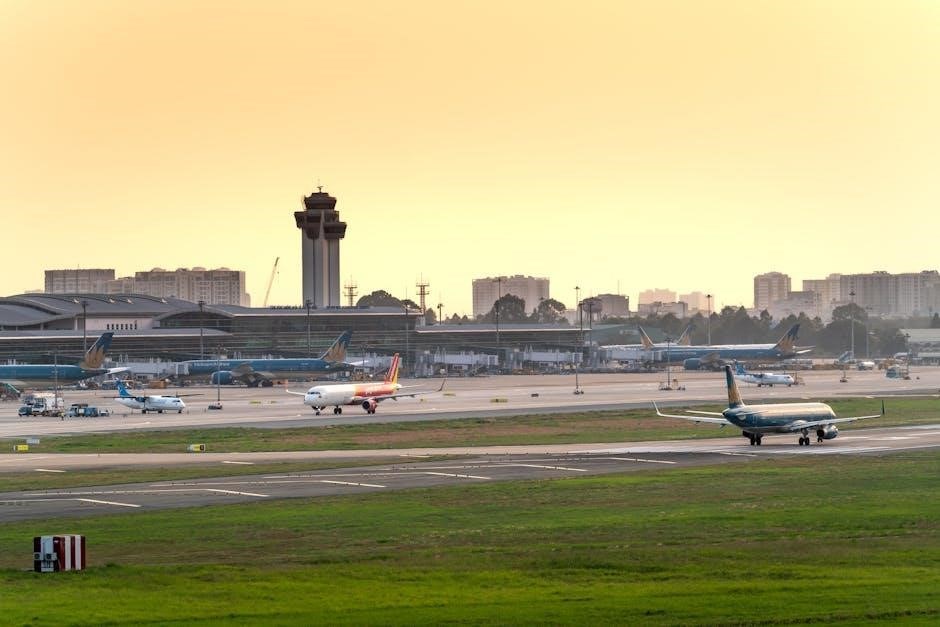
The impact extends beyond mere inconvenience for passengers․ Reduced controller numbers increase workload and stress on those remaining, potentially compromising safety․ Colleges, like Angelo State University, are expanding their Air Traffic Operations programs with FAA approval, aiming to bolster the pipeline of qualified controllers․ However, training takes time, and the immediate need remains pressing․
The Impact of Government Shutdowns
Government shutdowns severely exacerbate the existing air traffic controller shortage, creating cascading effects throughout the national airspace system․ The longest shutdown in U․S․ history demonstrably shook travel plans, resulting in thousands of delayed or canceled flights due to a lack of available controllers․ These disruptions aren’t simply logistical; they carry significant economic consequences for airlines, passengers, and related industries․
During shutdowns, even controllers deemed essential may face financial strain, potentially leading to attrition or reduced morale․ The uncertainty surrounding funding and staffing levels hinders long-term recruitment and training efforts․ As of March 30, 2026, the threat of future shutdowns continues to loom, posing a persistent risk to the stability and efficiency of air travel․
Technological Advancements and Integration
Technological advancements are crucial for mitigating the air traffic controller shortage and modernizing the National Airspace System․ The FAA is actively pursuing NextGen implementation, aiming for increased automation and efficiency․ However, integrating these new technologies presents significant challenges․
Successful integration requires substantial investment in infrastructure, robust cybersecurity measures, and comprehensive controller training․ While automation and artificial intelligence promise to assist controllers, they are not intended to replace them entirely․ The human element remains vital for handling unforeseen circumstances and ensuring safety․ As of March 30, 2026, balancing technological progress with human expertise is paramount for a resilient and adaptable air traffic control system․
Future Trends in Air Traffic Control
NextGen, automation, and AI are key to addressing the controller shortage, with Apple’s M4 chip advancements mirroring tech’s broader impact on aviation systems․
NextGen Implementation
NextGen, the Federal Aviation Administration’s modernization initiative, aims to transition from a ground-based to a satellite-based air traffic control system․ This shift promises increased efficiency, capacity, and safety․ Key components include Automatic Dependent Surveillance-Broadcast (ADS-B), which allows aircraft to transmit their position via satellite, and Performance-Based Navigation (PBN), enabling more precise flight paths․
However, full NextGen implementation faces challenges․ The government shutdowns, like the one in late 2025, significantly hampered progress, delaying crucial upgrades and training․ Integrating new technologies requires substantial investment and ongoing controller training to effectively utilize the advanced tools․ The goal is a more streamlined, predictable, and resilient airspace, but realizing this vision demands sustained commitment and funding․
Automation and Artificial Intelligence
Automation and Artificial Intelligence (AI) are increasingly explored to assist air traffic controllers, not replace them․ AI-powered tools can predict potential conflicts, optimize flight routes, and automate routine tasks, freeing controllers to focus on complex situations․ These technologies analyze vast datasets to enhance situational awareness and improve decision-making․
However, integrating AI requires careful consideration․ Controllers need thorough training to understand and trust the system’s recommendations․ Concerns about algorithmic bias and system failures must be addressed through rigorous testing and validation․ The focus remains on augmenting human capabilities, leveraging AI to enhance safety and efficiency while maintaining the critical role of the human controller in the loop, especially during emergencies․
Addressing the Controller Shortage
Addressing the air traffic controller shortage is a multifaceted challenge․ The FAA is expanding its training pipeline, approving college programs like Angelo State University’s Air Traffic Operations, to increase the number of qualified candidates․ Recruitment efforts are intensifying, targeting diverse populations and highlighting the career’s benefits․
Retention is also crucial․ Improving working conditions, reducing stress, and offering competitive salaries are vital to keep experienced controllers․ Streamlining the hiring process and reducing bureaucratic hurdles can accelerate the onboarding of new personnel․ Furthermore, exploring innovative training methods, potentially leveraging simulation and virtual reality, could expedite skill development and address the growing demand for skilled professionals․
Air Traffic Control and Safety
Safety regulations and protocols are paramount in air traffic control, alongside robust emergency procedures and continuous training to maintain the highest standards․
Safety Regulations and Protocols
Rigorous safety regulations underpin every aspect of air traffic control, ensuring the secure and efficient movement of aircraft․ These protocols, established by the FAA, cover a vast spectrum – from pre-flight inspections and clearances to in-flight monitoring and emergency responses․ Controllers adhere to strict phraseology, standardized procedures, and separation standards to prevent collisions and maintain orderly traffic flow․
Continuous monitoring of weather conditions is also crucial, as controllers must adapt to changing visibility and wind patterns․ Detailed charts and sophisticated radar systems provide real-time situational awareness․ Furthermore, regular safety audits and investigations following incidents contribute to a culture of continuous improvement, refining protocols and enhancing overall safety within the national airspace system․ These measures are vital for public trust․
Emergency Procedures
Air traffic controllers are extensively trained to manage a wide range of emergencies, from medical events onboard aircraft to mechanical failures and severe weather encounters․ Protocols dictate immediate prioritization of affected flights, clearing airspace for emergency landings, and coordinating with emergency services on the ground․ Controllers maintain calm and clear communication with pilots, providing critical guidance and support․
Specific procedures exist for scenarios like engine failures, loss of communication, and runway incursions․ Controllers utilize pre-defined contingency plans and collaborate closely with other facilities to ensure a seamless response․ Regular simulations and drills reinforce these skills, preparing controllers for high-pressure situations․ Effective emergency response is paramount, safeguarding lives and minimizing disruption to the national airspace system․
Continuous Improvement and Training
Air traffic control prioritizes ongoing training and evaluation to maintain the highest safety standards․ Controllers participate in recurrent training, covering updated procedures, new technologies like NextGen, and emergency simulations․ This ensures proficiency and adaptability in a constantly evolving aviation landscape․ The FAA’s training pipeline, including academy instruction and facility-specific on-the-job training, is rigorous and demanding․
Continuous improvement initiatives analyze incident data and identify areas for enhancement․ Feedback from controllers is actively sought to refine procedures and optimize workflows․ Investment in advanced training tools and technologies, alongside a commitment to human factors research, strengthens controller performance and proactively addresses potential risks․ This dedication fosters a culture of safety and excellence․